The Enduring Appeal of Vans: Retro Court and Old Skool Styles

Intro
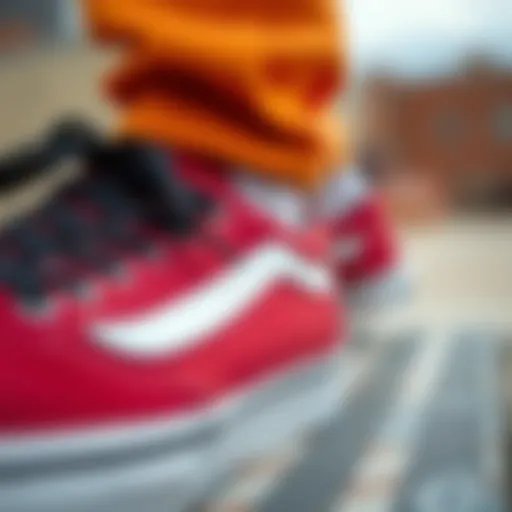
Vans has carved a unique niche in the world of sneakers, particularly in the skateboarding community. Two standout models, the Retro Court and Old Skool, evoke a sense of nostalgia while remaining relevant and fashionable. These shoes have transcended from mere functional skate gear to symbols of a lifestyle, blending seamlessly with streetwear trends. Understanding their allure requires delving deep into their design features, cultural roots, and impact on skate culture.
The story of Vans isn't just about rubber and canvas; it’s about identity. These sneakers reflect a journey that resonates with generations of skaters and enthusiasts alike. As we journey through the legacy of the Retro Court and Old Skool styles, we will explore not just their history but also their functionality in the ever-evolving world of skating. Beyond the aesthetics, these shoes embody resilience and authenticity in a sport where both qualities are paramount.
The enduring popularity of these models can be attributed to several factors, from their diverse designs suitable for various personal styles to their connection to music, art, and the broader skate community. This article aims to dissect these components and articulate why the Retro Court and Old Skool models are more than just footwear; they are cultural icons.
Gear Reviews
Skateboard Essentials: Decks, Trucks, and Wheels
When stepping onto your first skateboard, the choice of gear can drastically change not only performance but also your overall experience. To complement the style of Vans shoes, selecting the right skateboard is crucial. Here’s a breakdown to consider:
- Decks: A multifaceted choice that varies by rider preference. Look for a wider deck if you’re just starting out. Brands like Element and Baker offer sturdy options.
- Trucks: These are the heart of your skateboard. Opt for lightweight but durable trucks from brands such as Independent or Thunder to maintain agility.
- Wheels: Size and hardness play significant roles in the ride quality. Softer wheels are better for beginners on rough surfaces, while harder wheels offer speed on smooth pavements.
Safety Gear: Helmets, Pads, and Protective Equipment
Skating can be a thrilling endeavor, but safety should never take a backseat. Wearing the right protective gear can prevent serious injuries. Here are some essentials:
- Helmets: A properly fitting helmet is non-negotiable. Brands like Triple Eight offer unmatched protection and comfort.
- Knee and Elbow Pads: Invest in quality pads to protect your joints. They might feel cumbersome at first, but your body will thank you later.
- Wrist Guards: Often overlooked, these can significantly reduce the risk of painful falls, particularly when learning tricks.
"Skate culture is not just about doing tricks; it's about community, creativity, and a way of expressing oneself."
Both the Retro Court and Old Skool models resonate well with skaters who prioritize both comfort and style. By combining essential gear with these iconic shoes, you’ll not only look the part but also enjoy a safer, more fulfilling skateboarding experience.
The gear you choose intertwines with the shoes you wear, embodying your identity as a skater and a member of the skateboarding community. As we delve deeper into the technical skills and tricks of skateboarding, it becomes clear that the synergy of gear and personal style remains at the forefront of skate culture.
The Legacy of Vans in Skate Culture
The indelible mark that Vans has left on skate culture can't be overstated. As both a brand and a phenomenon, Vans carries the weight of history while effortlessly weaving itself into the social fabric of skating life. This legacy is not just about selling shoes but also about forging connections, influencing trends, and embodying the spirit of rebellion synonymous with skate culture.
Historical Context
Vans was founded in 1966 in California by the Van Doren brothers. Starting as a simple canvas shoe manufacturer, they saw a niche opportunity in supplying footwear that could withstand the rigors of skateboarding. Early on, the brand became a staple in the local skateboard scene, particularly in Southern California. The big break came when skateboarders began customizing their Vans to express their personalities. This led to the iconic checkerboard pattern that many recognize today.
In the 1970s and 1980s, as skateboarding grew, so did Vans. They capitalized on the burgeoning culture by sponsoring skaters and even hosting competitions. By the time the 80s rolled around, Vans had cemented its status as a cultural icon. Much of this was tied to the emergence of skate videos, where skaters prominently showcased the brand. The combination of grassroots popularity and media visibility created a remarkable synergy that propelled Vans to the forefront of skate fashion.
Influence on Skateboarders
Vans didn’t just impact the shoes skaters wore; it shaped identities and lifestyles. Skateboarders often viewed them as more than mere footwear; they represented freedom and nonconformity. The shoes became a badge of honor that signified dedication to the skate culture. The Old Skool model, introduced in 1977, perfectly encapsulated this ethos.
Many skaters still swear by Vans for their comfort, durability, and grip – qualities vital for executing tricks and spending long hours on the board.
- Custom Expressions: Skaters often customize their Vans, adding unique designs or personal touches, showcasing individuality within the community.
- Community Engagement: Vans’ active involvement in skate events and sponsorship has fostered a sense of belonging among skaters, allowing them to connect over shared interests.
- Cultural Icons: Iconic skateboarding figures such as Tony Hawk and Jeff Grosso have tied their careers closely with the brand. Their influence has kept the spirit of Vans alive through generations of new skateboarders.
"For many of us, Vans aren’t just shoes; they carry memories linked to every grind and every fall. They symbolize our journey in the world of skating."
In essence, the legacy of Vans in skate culture is a narrative woven through history, community, and identity, solidifying its standing as an enduring icon not just in skateboarding but in lifestyle fashion as well.
Overview of the Retro Court Model
The Retro Court model of Vans holds a significant place in sneaker history. It’s not just about the shoes—they’re an emblem of a transitional phase in skate culture that pays tribute to its roots while embracing the future. In examining this model, we uncover not only its design and performance traits but also the wider cultural relevance it encompasses.
Often, footwear design is about meeting a particular need, but the Retro Court goes beyond that. This model captures the essence of what skating symbolizes—freedom, artistry, and a rebellious spirit. The aesthetic draws from classic tennis styles yet infuses them with a skater's edge. By melding versatility with retro charm, these kicks appeal to a broader audience beyond just skateboarders.
Design Features
In terms of design, the Retro Court showcases a streamlined silhouette characterized by clean lines and a minimalist aesthetic. Key design elements include:
- Premium Materials: The uppers often blend leather and suede, giving it a rich texture while providing durability.
- Subtle Branding: The iconic Vans checkerboard and logo are present but not overly ostentatious, allowing for a cleaner look.
- Classic Colorways: Traditional colors like black, white, and navy are readily available, but seasonal releases bring fresh hues that keep the model current.
These features not only enhance its visual appeal but also cater to a diverse range of outfits, making them suitable for both exercise and leisure. For skaters, this means they can wear their shoes off the board without skipping a beat in style.
Performance Aspects
When talking performance, it’s crucial to delve into what makes the Retro Court a reliable option for skaters.
- Grip and Traction: The rubber outsole offers superior grip, allowing skaters to execute tricks with confidence on various surfaces. The unique tread pattern gives the shoes a firm footing whether on a board or simply walking around.
- Comfort: A padded collar and cushioned insole provide all-day comfort, which is essential during long skate sessions. Skaters need footwear that feels good over time without sacrificing performance.
- Breathability: Many models feature ventilated panels that help keep feet cool, which is a major plus during intense activity.
Ultimately, the Retro Court model stands out by not compromising on any fronts—style, performance, or comfort. This union of design and functionality has created a model that endures in popularity, deeply influencing both the skating community and mainstream fashion at large.
The Old Skool: A Timeless Classic
The Old Skool is not just a sneaker; it's a cultural artifact that has stood the test of time. Created in the late 1970s, this model marked the beginning of a significant shift in skate culture, blending functionality with style. Its design is as much a part of skateboarding history as the sport itself. When one mentions the Old Skool, they talk about more than just shoes; they talk about a lifestyle that celebrates rebellion, freedom, and creativity.
Notable Characteristics
What makes the Old Skool particularly special? First, it’s the iconic silhouette—low-top with a padded collar, providing both comfort and support during tricks. The durable canvas upper, paired with reinforced toe caps, is designed to withstand the wear and tear that comes with skating.
Key features include:
- The Signature Sidestripe: This recognizable feature not only defines the shoe's aesthetic but also echoes the brand's roots in the skateboard community.
- Cushioned Insole: Essential for absorbing impacts and providing comfort, it's a must for those long days at the skate park.
- Rubber Outsole with Waffle Tread: This design offers superior grip, making it easier for skaters to perform tricks without fear of slipping.
These elements work in harmony to create a shoe that is not only reliable for riding but also stylish enough for everyday wear, further solidifying its place in both skate and streetwear culture.
Legacy and Popularity
The Old Skool's legacy stretches far beyond its functionality. This model has been adopted by various subcultures over the decades, evolving from a simple skate shoe into a symbol of individual expression. Its journey mirrors the evolution of skate culture itself—from the raw street vibes of the 80s to the polished, yet rebellious aesthetic of today.
- Crossover Appeal: The Old Skool found its way into various music scenes, notably punk and hip-hop, instantly cementing its status as a cultural staple. Bands from the punk scene embraced its edgy look, while artists in hip-hop integrated the shoe into their wardrobe, influencing a generation.
- Enduring Relevance: Today, the Old Skool remains a favorite among skaters and fashion enthusiasts alike. Collaborations with high-profile designers and influencers continue to add a fresh slant to this classic, demonstrating that it is far from losing its touch.
- Global Community Impact: From local skate parks to international skateboarding competitions, the Old Skool's presence is ubiquitous. Its design has inspired countless iterations that keep the spirit of skating alive, resonating with both old-school skaters and newer enthusiasts.
"The Old Skool has a way of bridging the gap between generations of skaters. Whether you’re a seasoned pro or just starting out, it has a story that’s relatable to everyone in the scene."
In summary, the Old Skool is more than just a stylish choice; it embodies the spirit of skate culture. Its unique characteristics, combined with an extraordinary legacy, make it a timeless classic that resonates with diverse audiences around the world. Its ability to adapt and remain relevant speaks volumes about the craftsmanship and thought that went into bringing this model to life.
Comparative Analysis: Retro Court vs. Old Skool
Comparing the Retro Court and Old Skool models is not just a casual side note in our exploration of Vans, but rather a pivotal segment that digs deep into the heart of sneaker culture. Both models share a rich history and have evolved alongside the skateboarding community. However, what sets them apart in terms of design, functionality, and user experience can offer invaluable insights into what makes Vans truly cherished among skaters and sneaker enthusiasts alike.
Design Comparison


When using a fresh pair of sneakers, design is often the first thing that catches the eye. The Retro Court draws inspiration from court shoes of yesteryears, presenting a sleek profile that screams minimalism. Its clean lines and retro colors can easily fit a casual outfit without feeling out of place. The Retro Court maintains a refined but sporty aesthetic that appeals to those looking for versatility in their footwear.
In contrast, the Old Skool model resonates with a more laid-back vibe, featuring a characteristic side stripe that has become synonymous with the brand. It's a style that harkens back to the roots of skate culture, appealing to skaters who not only want function, but a richer story behind their gear. The cover of the shoe is typically made from durable canvas and suede, which gives it that rugged, lived-in look that many skaters prefer.
While both shoes cater to different tastes, one cannot deny that these styles embody the essence of skateboard fashion, striking a chord with diverse audiences.
User Experience
When it comes to the experience of wearing each sneaker, the differences become even more pronounced. Retro Court wears comfortably for daily activities, shining particularly in situations that require long periods of standing or walking in style. The cushioned insole and lightweight construction suit those who appreciate the relaxed, all-day wear without compromising on aesthetics.
On the other hand, the Old Skool is often lauded for its superior grip and board feel, attributes that are crucial for skaters. Every jump and trick requires reliable support, and the Old Skool, with its padded collar and enhanced traction, doesn't disappoint. The historical ties this shoe has to the skate scene adds an emotional layer to its practicality.
In summary, the comparative lens through which we observe the Retro Court and Old Skool shows that while both models serve distinct preferences, their core identities speak to longevity in design and performance. Therefore, whether you're gravitating towards the refined nature of the Retro Court or the rugged history of the Old Skool, know that both models offer something valuable to the skater's journey.
"The right pair of shoes can make or break your day on the board; it’s not just about style, it’s about consistency and comfort."
In deeper investigation, understanding the nuances between the Retro Court and Old Skool goes beyond fashion; it taps into what skaters need for their craft and how sneakers have shaped their community. The dance between function and style keeps the conversation around these models alive and relevant.
Cultural Symbolism of Vans Shoes
Vans shoes have carved out a significant niche in the world of skateboarding and beyond. Their cultural symbolism goes far beyond just a footwear choice; it's a statement about identity, community, and lifestyle. In this section, we delve into the intricate layers of meaning that Vans shoes hold for skaters and enthusiasts alike.
Association with Skateboarding
When you mention Vans, images of skate parks and iconic tricks often come to mind. The association with skateboarding runs deep. Founded in 1966, Vans was one of the first brands to cater specifically to the needs of skateboarders. Their shoes were designed not only for style but also for functionality, offering optimal grip and protection while riding.
Skateboarders gravitated towards Vans because of their flat soles and durable materials. This was crucial, as such design helps skaters feel the board better and execute tricks more effectively.** It’s no secret that many top skateboarders, from Tony Hawk to Jamie Thomas, have sported Vans, solidifying their place in skate culture.**
The emotional bond that skaters form with Vans can be seen as a badge of honor, marking one’s dedication to the sport.
"Wearing Vans is like walking on memories; every scuff and mark tells a story of a trick landed or a day well spent at the park."
Moreover, Vans have become synonymous with the rebellious spirit of skate culture. Meeting a fellow skater usually comes with shared understanding, often represented by a simple glance at their shoes. It’s a communication of belonging, and wearing Vans signifies any kind of affiliation with the skating community.
Cross-Influences with Other Subcultures
As much as Vans is intertwined with skateboarding, its influence extends far into various other subcultures. This interplay enriches the brand’s narrative and broadens its appeal. For instance, punk rockers, hip-hop artists, and even fashion influencers have embraced Vans as a staple in their wardrobes. The adoption of Vans by these diverse groups has created a fusion of styles, where skate culture enters musical* and *artistic realms.
- Punk Rock: Vans became a favored choice for punk musicians. Bands like the Red Hot Chili Peppers and The Offspring not only wore Vans but also contributed to the widespread visibility of the brand. This association has led to a cycle of cultural sharing; as punk picked it up, skaters embraced punk, and vice-versa.
- Hip-Hop: Throughout the years, hip-hop culture has also adopted Vans, especially within streetwear. Many artists incorporate Vans into their music videos and performances, underlining their versatility and style.
- High Fashion: Interestingly, designers have started to interpret and remix the classic Vans silhouette, integrating them into runway shows and fashion collections. This cross-pollination exemplifies how Vans has managed to sustain cultural relevance.
The beauty of Vans lies in its capacity to adapt while retaining that quintessential feeling of authenticity, fostering connections across various lifestyle choices. The shoes encapsulate more than just a fashion statement; they are a communion of stories, reflecting the nuances of the people who wear them, their interests, and the communities they inhabit.
In essence, the cultural symbolism of Vans shoes reveals layers of significance that resonate with different people, creating a tapestry of connections that bridges skateboarding, music, art, and fashion.
The Evolution of Skate Styles
The evolution of skate styles is not just a timeline of looks; it’s a testament to how skateboarding culture has weaved itself through the very fabric of our society. Skate styles have transformed dramatically over the decades, reflecting shifts in music, art, and even technology. As we delve into how these changes unfolded, it's clear that each era had its standout characteristics that laid the groundwork for today's skate culture.
Impact of 1970s and 1980s Trends
In the 1970s, skateboarding was still finding its footing, often associated with rebels and free spirits. The boards were evolving – wider for stability, allowing skaters to get more daring with tricks. But it was the introduction of polyurethane wheels which drastically changed the game. They offered better grip and a smoother ride, leading to new stunts and the birth of pool skating. The zest for vertical ramps became infectious, giving rise to a competitive spirit among skaters.
Amid this, fashion began to reflect the laid-back yet audacious ethos of the skateboard scene. Bright colors, bold graphics, and a casual vibe characterized the attire of skaters. The culture brewed in Venice Beach and Santa Monica allows us to visualize the sun-soaked streets filled with individuals in board shorts and tank tops, wearing canvas sneakers, often made by Vans, which quickly rose to prominence.
In the 1980s, skateboarding exploded into a youth phenomenon. The era of Big Hair and MTV also trickled down into skate culture. Iconic skateboarders like Tony Hawk became household names, their styles heavily influencing how the younger generation dressed and skated. During this decade,
- Graphic tees adorned with band logos were a staple.
- Wide-legged pants saw a rise, making possible unrestricted movement.
- Skate shoes evolved too, focusing on durability and style.
Brands like Vans and Nike began to craft shoes specifically for skaters, blending functionality with flair. The piercing influences of punk and new wave music created an unapologetic, individualist attitude among skaters.
Modern Interpretations
Fast forward to the present, and skate styles have adapted yet again while still honoring their roots. The intersection of fashion and function is more pronounced than ever. Today's skaters often don a blend of vintage and contemporary styles, seamlessly weaving retro aesthetics into modern silhouettes.
Modern skate shoes emphasize performance but look good too. They often employ sleek designs while still maintaining durability. Vans has introduced models featuring lighter materials and enhanced cushioning, catering to both style seekers and serious skateboarders. The convergence of the internet and skate culture has also birthed a new wave of creativity. Brands collaborate with high fashion houses and streetwear labels, making skate shoes desirable both inside and outside of the skate parks. Social media has further transformed how skaters connect and express their identities.
The BLM movement and other calls for equality have pushed the community to embrace deeper narratives around identity, representation, and inclusivity. Skaters of all backgrounds find a home in contemporary skate culture, promoting style that tells personal stories rather than just following trends. Here are some key elements seen in modern skate styles:
- Emphasis on sustainability and ethical production; skaters today often choose brands that align with those values.
- A bolder approach to gender expression, with styles that break down traditional lines of men’s and women’s fashion.
- A fusion of digital art and personal branding, as skaters utilize platforms like Instagram to showcase their unique styles.
"Skateboarding is not just a sport; it’s an expression of who you are, and that has evolved massively through styles over the years."
In summary, the evolution of skate styles—from the crude boards of the 70s to the sleek set-ups of today—has encapsulated broader cultural shifts. It reflects an ongoing dialogue between tradition and innovation, showcasing how the skate community continues to redefine its identity amidst changing societal circumstances.
Technological Innovations in Skate Footwear
In the realm of skateboarding, where style meets functionality, technological innovations in skate footwear play a pivotal role. These advancements not only enhance the performance but also contribute to the safety, comfort, and durability of those iconic sneakers worn by skaters. In this section, we'll unpack the key innovations that are shaping the future of skate shoes.
Material Advancements
The materials used in skate shoes have come a long way since the early days of skate culture. While canvas and rubber remain staples, modern skate footwear incorporates a variety of high-tech fabrics and composites that improve comfort and performance.
- Synthetic Uppers: Shoes like the Vans Old Skool now often feature synthetic materials that are lightweight, breathable, and water-resistant. This keeps your feet dry and cool when you're going hard on the board.
- Reinforced Toe Caps: Innovations include toe caps crafted from durable synthetics, providing extra protection against wear and tear. Total security means no more worrying about unexpectedly scuffing or tearing your shoes after a rough landing.
- Eco-materials: There's also a growing trend towards using sustainable materials. Companies are increasingly aware of their environmental impact, leading to the development of vegan-friendly materials that don’t compromise on quality.
These advancements in materials not only offer functional benefits but also allow skaters to express themselves stylistically.
Enhancing Grip and Performance
When it comes to skateboarding, grip is everything. The science behind the rubber soles of skate shoes has seen significant evolution. Modern technologies provide superior traction that allows for more control during intricate tricks and stunts.
- Vulcanized vs. Cupsole: Skaters often debate between vulcanized and cupsole constructions. Vulcanized soles are thinner and provide better board feel, while cupsoles offer more padding and cushioning. Each type has its enthusiasts, but what's key is knowing how these choices affect performance.
- Tread Patterns: New tread designs are engineered for optimal grip on a skateboard. Innovative patterns, often inspired by natural elements, enhance friction while allowing for smooth transitions on various surfaces.
- Shock Absorption: Footwear brands have increasingly focused on shock-absorbing technology. Features like gel inserts or foam midsoles reduce the impact from jumps, safeguarding feet and joints during long skate sessions.
"A good skate shoe marries form and function, providing skaters with the confidence to push their limits while they ride."
As technology in skate footwear evolves, so does the experience for skaters. The push towards performance-oriented designs continues to shape how individuals approach the sport, allowing for a wider range of creativity and expression on the board.
Beyond performance, these innovations significantly influence consumer preferences, aligning with the desires of both seasoned pros and newcomers aiming to make their mark.
For skaters looking to stay ahead of the curve, understanding these technological aspects can inform their choices and enhance their skating experience.
The Role of Community in Skating
Skateboarding is more than just a sport; it’s a lifestyle woven into communities around the globe. The role of community in skating brings to light how skaters form bonds that extend beyond the act of riding. In this realm, Vans sneakers become more than fashion choices—they signify connection, shared experiences, and collective identity among skaters. The relationship between these footwear styles and the community aspect of skating resonates deeply in their ongoing popularity.


Skate Parks as Social Hubs
Skate parks serve as the beating heart of the skateboarding community. These spaces bring together individuals from various backgrounds, providing a platform where skills are honed and friendships flourish. When you walk into a skate park, there’s this buzz in the air; it’s palpable. Kids cheering each other on, older skaters imparting wisdom, and newcomers trying to find their footing all contribute to a unique atmosphere of camaraderie.
- Role of Interaction: The skate park acts as an informal gathering place where skaters exchange tips, tell stories, or simply enjoy each other's company.
- Skill Development: Through watching and listening to their peers, skaters often improve faster than they would practicing alone. The experienced ones can show newer riders the ropes, whether by demonstrating a trick or offering encouragement when nerves run high.
- Sense of Belonging: For many, skate parks are a refuge. Outside influences often do not understand the dedication and culture of skating. However, within the park, they find solace among fellow skaters who share their passions. As a result, Vans become emblems of identity, showing affiliation with this relatable, shared experience.
Building Relationships Through Skate Culture
The connections formed through skate culture are rich with meaning. Friendships built on shared rides can last a lifetime or even lead to professional collaborations. Vans play a significant role in these relationships; they often become a conversation starter. Just spotting a pair of Vans can signal an unspoken bond, transcending barriers.
- Shared Interests: Many of the friendships forged in skating are rooted in mutual respect and admiration for each other's skills and dedication. Skaters often spend hours at parks and events, fostering deeper relationships.
- Community Events: Skate competitions and gatherings provide opportunities to strengthen these ties. They bring together participants and onlookers alike, creating a sense of unity that uplifts the community. Celebrating each other's skills becomes a form of support—scholarships, sponsorships, and opportunities in skateboarding often arise from these collective efforts.
- Cultural Exchange: Through skateboarding, individuals are exposed to diverse cultures and ideologies. This exchange enriches their skating experience and broadens their worldview. Vans shoes are not just utilized as tools for stability, but they symbolize the different walks of life that come together under one roof.
"Skateboarding isn't just about tricks; it's about the relationships and communities we build along the way. It’s the shared laughter, the late nights at the park, and the stories we tell that truly matter."
For those interested in learning more about the community dynamics in skate culture, resources like Wikipedia and Britannica offer extensive insights.
Sustainability in Skateboarding Footwear
The discussion around sustainability has become pivotal in various industries, and skateboarding footwear is no exception. As skaters become increasingly aware of the environmental impact their lifestyle can have, brands have started to adapt by incorporating sustainable practices in the production of their sneakers. For Vans, this commitment to sustainability not only aligns with the values of a growing number of conscious consumers but also strengthens their legacy within the skate culture that thrives on authenticity and community.
Skateboarding footwear, particularly from brands like Vans, is undergoing significant transformations prioritizing both environmental responsibility and social ethics. This section will explore key elements that underscore Vans’ commitment to sustainability, highlighting the benefits of eco-friendly materials and ethical manufacturing practices.
Eco-friendly Material Choices
When discussing eco-friendly materials, it’s vital to spotlight the innovative alternatives to traditional fabrics and substances. Vans has made strides in utilizing organic cotton, recycled polyester, and other sustainable materials. These choices reflect a shift in mindset towards sourcing raw ingredients that minimize harm to the planet.
- A few significant benefits of using eco-friendly materials include:
- Reduced Waste: By incorporating recycled materials, fewer resources are consumed, which lessens overall waste.
- Lower Carbon Footprint: Eco-friendly materials often require less energy to produce, resulting in decreased greenhouse gas emissions.
- Healthier End Products: These materials tend to be free from harmful chemicals commonly found in manufacturing processes, leading to safer products.
For instance, Vans has begun using water-based adhesives in their production. This change not only cuts back on the harmful chemicals that would otherwise be released into the environment but also enhances the overall quality of the footwear. The adoption of such materials speaks volumes about the brand’s recognition that even small advancements can lead to significant ecological benefits.
Ethical Manufacturing Practices
Sustainability extends beyond just the materials; it encompasses the means of production as well. Vans has begun to emphasize ethical manufacturing practices, which involves ensuring fair labor conditions and minimizing environmental impact during production. These measures not only uplift the workers involved in creating these sneakers but also resonate with consumers who want to know where their money goes.
To facilitate transparency, Vans actively participates in the Fair Labor Association, ensuring that their factories adhere to strict labor standards. This commitment involves:
- Safe Working Conditions: Ensuring factories provide a secure environment for workers, free from hazards.
- Fair Wages: Guaranteeing that workers receive just compensation for their labor, enabling them to support their families and communities effectively.
- Community Support: Engaging in philanthropic efforts to uplift local communities where manufacturing occurs; this fosters goodwill and trust among consumers.
"Ethical practices in manufacturing contribute not just to a better environment but also create a more just and equitable world for the people behind the products."
As skate culture embraces new values, such as environmental and social justice, Vans is positioning itself to lead while remaining true to its roots. The efforts made in sustainability speak to a broader cultural shift in the skateboarding community. By focusing on these elements, Vans continues to retain its relevance and respect while appealing to a new generation of conscious consumers.
By weaving sustainability into the very fabric of their products, Vans reinforces the notion that skating can indeed be synonymous with care for the planet.
Fashion and Identity in Skate Culture
In the world of skateboarding, fashion does more than just keep skaters looking fresh; it plays a significant role in shaping identity and self-expression. Vans, with their iconic designs like the Retro Court and Old Skool, have become synonymous with both the sport and the culture surrounding it.
The fashion choices of skateboarders often reflect a deep-set relationship with their environment and the communities they belong to. When a new skater puts on a pair of Vans, they are not only embracing the comfort and durability needed for the sport, but they are also tapping into a rich cultural history. Wearing Vans signifies a connection to a broader movement; it's like donning a badge of honor within the skate community.
The Influence of Popular Media
Popular media has been pivotal in magnifying the impact of skate fashion, especially footwear. Skate videos, magazines, and social media influencers play a pivotal role in shaping trends and preferences. Consider skaters like Tony Hawk, who have not just redefined what it means to skate but also have influenced millions with their style choices, including their footwear selections.
Media representation of skateboard culture often highlights specific traits associated with the sport. This can create an archetypal image of a skater, one that many aspiring athletes and enthusiasts feel compelled to emulate, often through their shoe choices. Vans, for instance, have adeptly worked their way into the fabric of skate video content, serving as a visual and cultural reference point. When a skater performs a trick in their classic Old Skools or the sleek Retro Courts, it doesn’t just showcase their skill—it's reinforcing the idea that these styles are integral to the lifestyle.
Furthermore, social media platforms allow for immediate sharing of skate culture, making different styles accessible worldwide. Skaters might post photos featuring specific Vans models along with their tricks, influencing their peers and creating a ripple effect in consumer behavior. The visibility and relatability of these styles help aspirants choose footwear that resonates with their desired identity in the skate community.
Personal Expression Through Footwear Choices
Footwear in skateboarding is more than just practical gear; it's a medium for personal expression. Vans encapsulate this spirit, offering designs that reflect individuality while remaining deeply embedded in skate culture. Each skater's choice—from color to model—can tell a story. For example, someone sporting a pair of checkerboard Old Skools might be signaling their connection to a nostalgic aspect of skate culture, while a fan of the Retro Court might be aiming for a modern twist with a nod to the classics.
The ability to customize Vans through colorways and even personal designs allows skaters to express uniqueness. This customization becomes a form of storytelling, showcasing not only personal style but also the journey within the world of skating. A good number of local shops even host events where skaters can design their Vans, further elevating the personal connection between the individual and their footwear.
In doing so, foot wear choices serve as a visual representation of the wearer’s beliefs, affiliations, and even aspirations within skate culture. The transition from skate shoes merely as function to full-fledged fashion items signals a shift in how we perceive athletic apparel—whether someone is hitting the pavement or just hanging out at the local skate park, their Vans carry a weight of cultural significance that goes far beyond practicality.
"Shoes are to a skater what wings are to a bird: they help define your style and elevate your performance."
As the landscape of skateboarding continues to evolve, so will the expressions of identity through fashion choices. Vans will likely remain at the forefront, championing personal expression and community connection, sustaining their appeal among seasoned skaters and newcomers alike.
The Future of Vans Sneakers
As we stand on the threshold of a new era in skate culture, the future of Vans sneakers is not just about rehashing old designs, but a pivotal merging of heritage and cutting-edge innovation. With the digital age reshaping consumer behaviors and values, it's crucial for Vans to adapt while staying true to its roots. The ongoing popularity of the brand speaks to its deep connection with skateboarding and streetwear, but the landscape is changing. Hence, Vans must navigate new trends, sustainability, and ever-evolving consumer preferences, ensuring they remain relevant amidst fierce competition.
Innovation Trends in Skate Shoes
Innovation is the lifeblood of any enduring brand, and for Vans, this means constantly re-evaluating what a skate shoe can be. One prominent trend is the introduction of smart technology in footwear. Think shoes that can track performance metrics, such as speed and even wear patterns, tailoring the fit and feel for skaters based on their unique style. Another avenue is enhancing breathability and comfort through advanced materials. Shoes crafted from lightweight composites not only allow for better airflow but can also improve durability—vital when skaters put their gear through the wringer on a daily basis.
Moreover, sustainability is no longer just a buzzword. Brands are moving toward eco-conscious materials, like vegan leather and recycled plastics, to lessen the environmental impact. This shift isn't merely a marketing strategy; it reflects a growing awareness among consumers who care about where and how their products are made. The expectation is clear: if Vans wants to keep its loyal customer base, they must step up and lead the change in sustainable practices.
"The future of skate shoes involves not only performance but also the responsibility to the environment."
Addressing Consumer Needs
Understanding consumer needs in this dynamic market is essential. Skateboarding isn't just a sport; it's a lifestyle intertwined with personal identity and expression. Vans have to consider how design influences individual narratives. This understanding can drive the creation of customizable options that appeal directly to the consumer's personal style.
Aspects to focus on include:
- Comfort: Everyday wear is crucial. People are more inclined to buy shoes that they can wear comfortably from the skate park to a casual hangout.
- Variety: Offering a diverse range of colors and designs helps cater to both traditionalists who value the classic aesthetic and trendsetters looking for unique flair.
- Community Engagement: Listening to skaters and their needs cultivates brand loyalty. Online platforms, forums, and local skate events offer a treasure trove of insight.
In summary, as Vans steers toward the future, they must marry tradition with innovation. Embracing new technology, committing to sustainable practices, and staying attuned to consumer desires will ensure that Vans sneakers not only endure but thrive in the ever-evolving landscape of skate culture.
Celebrating Skaters' Stories
In the world of skateboarding, stories are as essential as the tricks performed on a board. When one delves into the narrative of skating, it’s not just about the sport or the gear; it’s deeply tied to personal journeys, struggles, and triumphs. This section aims to explore why celebrating skaters’ stories holds substantial significance in the broader conversation surrounding Vans Retro Court and Old Skool models. What do these stories tell us about the community, culture, and evolution of the sport?
Skateboarding isn’t just an activity; it’s a lifestyle. Each skateboarder, from the street to the park, carries unique experiences that shape their connection to their gear. The Vans brand has often been a canvas for these stories, embodying the grit and spirit of their wearers. As brands like Vans etch their mark in the history of skating, it's crucial to highlight the tales that contribute to this legacy, showcasing the vibrant tapestry of influences that define skate culture today.
Reflecting on personal stories serves as a platform for both understanding and appreciation. For the upcoming skater, hearing about the journeys of seasoned professionals can offer invaluable insights. It shows that commitment, resilience, and passion can lead to extraordinary achievements, even against the odds. Moreover, the success stories contribute to the identity of Vans, making them synonymous with not just fashion, but stories of perseverance and expression.
Profiles of Influential Skateboarders


Exploring the lives of white influential skateboarders allows us to better grasp the different dimensions of the sport. Each skater's tale is a testament to their love for skating and often reveals deeper layers of societal impacts. Ever heard of Tony Hawk? Hawk's influence in the late 80s and beyond redefined what it meant to push the limits on a skateboard. Known for his impeccable skills and mindset, he also wore Vans, cementing a cultural alignment that still resonates.
Moving beyond the legends, local heroes play a pivotal role in shaping communities. Skaters like the late Jay Adams showcased raw talent and authentic expression, paving the way for future generations. With many modern skateboarders opting to sport Vans, there's a robust connection between their stories and the brand.
Influential skateboarders often include:
- Tony Hawk - A pioneer of vertical skating, he helped bring skate culture into the mainstream.
- Rodney Mullen - Renowned for inventing numerous tricks.
- Nyjah Huston - A contemporary figure whose performances continue to inspire.
By showcasing their journeys, we start to see why Vans has become more than just a footwear brand; it's a part of those stories.
Community Contributions and Impact
Skateboarding thrives on community support and shared experiences. The impact of storytelling goes beyond inspiration; it's about fostering connections among skaters. Community events, contests, and skate parks serve as hubs for collaboration and the sharing of experiences. The stories created here are vital for reinforcing bonds within the skateboarding culture.
Many skateboarders not only excel in their sport but give back to the community as mentors. They reach out to younger skaters, providing both guidance and encouragement. Vans, riding the wave of these interactions, has initiated programs to support local efforts, blending gratitude with innovation.
The contribution doesn’t stop there. Many skateboarders engage with their communities by promoting local causes, rallying support for environmental initiatives, or raising funds for youth programs. The impact is far-reaching:
- Creating Authentic Spaces - Venues built for skating become gathering spots where stories are shared.
- Skill Development - Workshops and clinics often led by experienced skaters help nurture new talent.
- Positive Influence - Skating encourages teamwork and camaraderie, fortifying community bonds.
Through celebrating these contributions, one notices how integral they are to sustaining the skateboarding culture. Vans captures the spirit of these narratives, reinforcing the idea that with every skateboard, there's a unique story waiting to be told. In essence, the tales of skateboarders—highlighting their contributions and the environments cultivated through skating—form the backbone of a community that’s always evolving.
Understanding the Market Dynamics
In the realm of skate culture, understanding market dynamics is pivotal for grasping how various factors—social, economic, and cultural—interact to shape consumer preferences and brand loyalty. The skate shoe market, particularly in relation to Vans, reveals a compelling narrative about how footwear can transcend mere functionality to become symbolic representations of identity and community. Moreover, it highlights why certain models, like Retro Court and Old Skool, continue to thrive despite changing trends.
The essence of market dynamics encompasses grasping current consumer trends, insights into what keeps the audience coming back for more, and how overarching cultural influences can sway preferences. An in-depth understanding can significantly benefit manufacturers, retailers, and marketers alike who seek to align their offerings with consumer desires. This section delves into two main aspects: consumer trends in skate fashion and the influence of collaborations on market success.
Consumer Trends in Skate Fashion
Consumer trends within skate fashion are like a pendulum—swinging back and forth between nostalgia for classic designs and embraces to new, innovative styles. With the growing popularity of retro aesthetics, Vans has perfectly positioned itself to capitalize on waves of nostalgia while still appealing to new generations of skaters.
- Nostalgic Appeal: Older models like the Old Skool have become sought after, not just for their performance but also for their connection to the culture itself. This reflects a broader sociocultural phenomenon where nostalgia plays a huge role in consumer behavior.
- Influence of Celebrity Endorsements: Often, influential figures—whether athletes or media personalities—wearing specific skate styles can boost those trends overnight. These endorsements can rapidly shift what’s popular in the skate community.
- Function Meets Fashion: While skaters traditionally prioritize function, modern trends have shifted to incorporate style into the performance criteria. Consumers often look for shoes that not only perform well on the board but also resonate with their personal style.
- Sustainable Fashion: More consumers are now making choices based on sustainability. They seek skate brands that use eco-friendly materials or ethical manufacturing practices. Vans has started to address this growing concern by offering options that appeal to environmentally conscious consumers.
Understanding these trends allows Vans to refine its marketing strategy, developing products that meet the needs of both seasoned skaters and young newcomers. Consequently, analyzing shifts in consumer preferences reveals opportunities to introduce new designs or improve existing ones, ensuring the brand stays relevant and appealing.
Influence of Collaborations on Market Success
Collaboration is another vital aspect of market dynamics that can immensely influence success. In recent years, partnering with various industries—be it fashion designers, artists, or even other skate brands—has allowed Vans to introduce fresh creativity into classic designs.
- Limited Editions: Collaborations often result in limited edition releases, which create a sense of urgency among consumers. The fear of missing out often drives sales; buyers who might usually hesitate can find themselves eager to snatch up exclusive offerings.
- Cross-appeal to Broader Audiences: By collaborating with artists or brands that attract a different audience, Vans can widen its reach significantly. For instance, partnerships with streetwear brands have allowed Vans to penetrate deeper into urban fashion markets, attracting new customers who may not have been traditional skateboarders.
"Collaborations breathe new life into established lines, ensuring that classics like Old Skool never go out of style."
- Enhanced Brand Identity: Collaborations help in crafting a unique brand narrative. When a well-known artist creates their version of a Vans sneaker, it offers a narrative that resonates with creative communities beyond just skateboarding.
In summary, both consumer trends in skate fashion and the strategic influence of collaborations are crucial in understanding how market dynamics operate within the context of Vans. They illustrate not just a shifting landscape of consumer desires but also the creative potential that emerges from teamwork across various industries. As Vans continues to innovate and adapt, staying attuned to these dynamics remains essential for sustained success.
Skateboarding's Cultural Impact Globally
Understanding skateboarding’s cultural impact across the globe offers profound insights into how this activity has morphed from an underground sport into an influential global movement. As skateboarding continues to thrive, it entwines itself with various cultural narratives while shaping youth identity, fashion, music, and even political statements in different regions. This multifaceted cultural tapestry not only highlights the appeal of skateboarding but also elevates brands like Vans, which have captured the spirit of the sport through iconic footwear and apparel.
Regional Variations in Skate Culture
Skate culture varies vastly from one region to another, reflecting local lifestyles, social dynamics, and even economic conditions. For instance, in places like California, skateboarding has deep roots, embedded in the surf culture of the 1960s. Here, ramps and parks are commonplace, with communities gathering to hone their skills. In contrast, in regions like Southeast Asia, skateboarding is often fitted in tighter spaces, where makeshift ramps and street skating take precedence.
- North America: Known for offering vast landscapes of urban landscapes, cities like New York have a buzzing skate scene with a rich history. The culture also draws from punk music and rebellious spirits.
- Japan: The scene has a distinct flavor with art heavily influencing skateboarding. Skateboarding is seen as not merely a sport but also an art form, merging fashion and street talent.
- South America: Countries like Brazil exude vibrancy in their skate parks and scenes, often driven by a communal spirit. Here, skateboarding often intersects with local street activities and even social movements.
Such regional differences not only create unique skate identities but also contribute to a more extensive range of styles and techniques seen in skating today, echoing how Vans adapts designs that resonate with local tastes and preferences.
International Influences on Skateboarding Trends
Globalization has brought about cross-pollination of trends and styles amongst skateboarders. Skate communities worldwide do not merely exist in silos; instead, they are influences on one another, allowing for a rich exchange of ideas and techniques.
"Skateboarding thrives on the freedom of expression and the unyielding boundaries of culture, spanning continents and getting stronger through shared passions."
- Collaborations with Artists: Brands often join forces with local artists to create limited-edition sneakers, blending skate style with regional art traditions. For instance, when Vans partnered with local street artists in various countries, it highlighted unique cultural expressions while elevating skateboarding’s visibility.
- Festival Culture: Events such as the X Games or local skate competitions attract worldwide attention, where trends born in one country can quickly gain traction in another. These events become hotbeds for sharing innovations in skateboarding.
- Media Influence: The rise of social media, particularly platforms like Instagram and TikTok, means skaters can showcase their talents and styles to a global audience. This instant sharing helps to disseminate new tricks, fashions, and brands across borders at an unprecedented rate.
In wrapping up this exploration of skateboarding's cultural impact globally, it is clear that regional nuances have shaped and diversified the scene, making each locale contribute uniquely to the broader culture. The interplay of local and international influences in skateboarding ensures its continual evolution, breathing life into the industry that brands like Vans have successfully tapped into, ultimately enhancing their appeal among skaters and fashion enthusiasts alike.
Navigating the Online Skate Community
The online skate community represents a vibrant and dynamic space where skateboard enthusiasts converge to share their passions, experiences, skills, and stories. With the evolution of social media, platforms such as Instagram, Reddit, and Facebook have become crucial hubs for skaters to engage and build connections. In this section, we’ll delve into two vital elements: engagement through social media and connecting with local skate communities. Together, these components create a multifaceted online presence that enhances the skate culture profoundly.
Engagement Through Social Media
In today's digital age, social media channels have transformed the way skaters interact with one another and showcase their talents. These platforms serve as virtual skateparks, where individuals can share videos of tricks, post photos in their favorite Vans, and discuss various topics relevant to skateboarding.
- Sharing Content: Social media allows skaters to post their exploits, whether landing a nail-biting trick or simply cruising down the street. It's a way for them to express their individuality and style, reinforcing a sense of community.
- Influencer Impact: The rise of skateboarding influencers has opened new avenues for aspiring skaters to gain visibility. These influencers often sport popular models like Retro Court or Old Skool, making them cultural icons within the community. In this light, brands can also gain traction through endorsements that resonate with audiences.
- Skill Development: Platforms like YouTube provide tutorials and skate tips that enable skaters to improve their skills, with tutorials often showing how shoes, including Vans models, perform in specific tricks.
- Fostering Discussions: Social media serves as the backdrop for discussions on styles, trends, or skate events. Groups and hashtags allow for niche conversations, fostering deeper connections and creating an inclusive environment.
"Social media has not only shaped how we see skateboarding, it’s transformed who gets to be seen and who gets to share their stories. It’s a game changer for the culture."
Connecting with Local Skate Communities
While online interactions are essential, the significance of local skating scenes cannot be understated. Connecting with local skate communities allows riders to translate their online personas into real-world friendships and camaraderie. Here are the elements that promote this interaction:
- Local Events: Many local skate shops host meet-ups, contests, or showcases that invite skaters from the neighborhood. Such events often become vital for testing out shoes like Vans in a dynamic environment.
- Supportive Atmosphere: Local communities often provide a nurturing space for new skaters to learn from veterans. This mentorship fosters an appreciation of both the shoe models and the culture surrounding them.
- Grassroots Movements: Initiatives to support local skate parks or programs often gain traction through community networking online, bridging gaps between skaters and fostering collaboration for improvement.
Engaging personally in local scenes can amplify the experience of online interaction, making skating not only a hobby but also a means of forming lasting friendships and networks. The blend of online and local identity solidifies the appeal of brands like Vans, allowing them to thrive within both spheres of influence.
Navigating the online skate community, thus, becomes a powerful journey leveraging the strengths of social media while forging genuine connections locally.
The End: The Enduring Allure of Vans
The story of Vans, particularly the Retro Court and Old Skool styles, is a vibrant tapestry woven into the fabric of skate culture and beyond. This conclusion does not merely serve to summarize but rather illuminates the fundamental aspects that make these sneakers a lasting favorite among various communities. Whether it is nostalgia, functionality, or cultural resonance, Vans embodies a rich heritage that continues to influence new generations.
Reflecting on Heritage and Innovation
Vans has managed to maintain its identity while simultaneously evolving with the times. The heritage of these sneakers harks back to their origins in the 1960s, when they first entered the skateboarding scene. Being grounded in authenticity, the Retro Court and Old Skool models reflect a union of tradition and modernity. Each stitch, each canvas, tells a story. While staying true to their authentic skate roots, these styles have embraced innovative techniques and materials that enhance performance, without losing the aesthetic that fans adore.
To further cement their appeal, the incorporation of eco-friendly materials aligns with current consumer demands for sustainability. Skaters today are not just looking for a pair of shoes; they are seeking a connection to a legacy while being conscious of their environmental impact. Vans recognizes this and responds effectively, marrying heritage with the need for progress.
Looking Ahead in Skate Culture
As skate culture continues to navigate through its ever-shifting landscape, the relevance of Vans remains firmly intact. The future promises to be just as dynamic, and the brand seems poised to lead the charge. Trends indicate an increasing inclination towards inclusivity, community, and technology in skateboarding. Vans is actively engaging with diverse communities, pushing the envelope on who can be a skater, and what role sneaker culture plays in that identity.
The pursuit of innovation does not suggest a detachment from past glories; rather, it fosters a richer narrative. Consumers are likely to see Vans exploring new collaborations and concepts that keep the spirit of skateboarding alive. With the rise of digital platforms, connecting through social media and local events is more vital than ever. Vans is at the forefront of fostering these connections, which will undoubtedly shape the future of skate culture.
In summation, the enduring allure of Vans lies not just in their shoes but in the culture they encapsulate. The journey of the Retro Court and Old Skool styles is a testament to their ability to adapt while respecting the past. As we move forward, one thing remains certain: Vans will continue to be a symbol of freedom, creativity, and community in skateboarding and beyond.