The Skate Walker: A Unique Blend of Skate and Walk Styles


Intro
The blend of skateboarding and innovative walking techniques offers a rich tapestry of movement, style, and skill. What emerges from this fusion is known as the skate walker phenomenon. Many skaters have begun adopting this unique approach, which not only enhances their skateboarding experience but also shifts the paradigm of how skateboarding is perceived. The skate walker challenges the traditional understanding of skateboarding by emphasizing balance and fluidity over sheer speed or tricks.
In this exploration, we will venture into the historical roots of the skate walker, leaving no stone unturned in understanding its cultural significance within the skate community. From the vital gear that supports this practice to some of the essential techniques required for mastering it, each element plays a role in shaping the skate walker experience. Join us as we dive into the world of skate walking, highlighting its benefits, safety considerations, and the figures who have made their mark on this evolving sport.
Gear Reviews
Skateboard Essentials: Decks, Trucks, and Wheels
The importance of selecting the right skateboard components could never be overstated in any skating discipline, more so for those looking to refine their skate walker skills. A well-chosen deck offers the right amount of flex and rigidity for improved balance and control. Skate walkers typically gravitate towards wider decks that provide stability while transitioning between walking and skating.
When we think about trucks, sturdy and low-profile ones are preferable. They give a solid connection between the board and the wheels, allowing for cleaner turns and pivots which are essential for the skate walker style. The wheels' durometer, or hardness, also warrants consideration; softer wheels are ideal for smooth pavement while harder wheels work well on rougher surfaces, striking the vital balance for skate walking.
Essentials Breakdown:
- Decks: Look for wider, flexibly designed boards.
- Trucks: Opt for sturdy and low-profile designs.
- Wheels: Choose hardness based on your typical skating surface.
Safety Gear: Helmets, Pads, and Protective Equipment
Safety cannot be overlooked in the world of skate walking. A good helmet is crucial. It protects against falls, which are more frequent when incorporating walking techniques. Look for helmets that fit snugly and are certified for skateboarding. Along with headgear, wrist guards and knee pads should be considered. They not only absorb impact during stumbles but also build confidence for those still mastering the basics. Investing in well-designed protective gear cannot be just an afterthought; it’s a part of the sporting commitment.
Recommended Safety Gear:
- Certified Helmets: Ensure a snug fit with appropriate certification.
- Wrist Guards: These protect against common wrist injuries.
- Knee Pads: Absorb impacts for added confidence and security.
As you embark on your journey into skate walking, remember that the right gear can truly enhance your experience, making each glide and glide more enjoyable. Skaters from different walks of life may find solace in customizing their setup for a blend of individual expression and peak performance.
Understanding the Skate Walker Phenomenon
The phenomenon of skate walking represents a unique intersection between traditional skateboarding and innovative movement styles. Understanding this cultural and physical tapestry not only offers insights into the evolution of skate culture but also showcases a form of expression that combines art and physicality. With roots that may go back further than contemporary skateboarding, skate walking is emerging as a way to navigate urban environments, connect with communities, and engage in an artistic form of locomotion.
Defining Skate Walking
Skate walking is more than just a style; it's a way of relating to the environment while on wheels. In essence, skate walking can be defined as the technique of utilizing a skateboard in a walking manner, incorporating a synchronized rhythm that allows for fluid motion across surfaces. Unlike traditional skateboarding, where tricks and stunts often take center stage, skate walking emphasizes the artistry of movement. It transforms the dynamics of walking and skating into a seamless dance, inviting skaters to traverse their surroundings with grace and purpose.
Imagine gliding serenely over pavement, where each push of the skateboard feels like stepping into an invisible current. This method may include a mix of simple strides and smooth transitions that create a visually appealing experience not just for the skater, but also for onlookers.
Historical Context of Skate Walking
The history of skate walking is intertwined with the timelines of both skateboarding and urban street culture. Long before the trendy skate parks popped up in cities, enthusiasts were finding ways to modify their skateboards and movements to suit their local environments. The evolution of skate walking can be traced back to pioneers who sought alternative ways to enjoy their boards, often influenced by methods of transportation in their cities.
Historically, skate walking was born from necessity. In densely populated areas where streets were less about perfect pavement and more about navigating crowded sidewalks, the need for adaptive techniques became paramount. Urban skaters began to emphasize fluidity and adaptability over aerial tricks and bailing out. This shift laid the groundwork for what we now recognize as skate walking today.
In contrast to earlier skateboarding trends steeped in adrenaline and competition, skate walking embraces a more leisurely approach, cultivating a sense of community. It encourages deeper engagement with surroundings, fostering appreciation for the arts, culture, and everyday encounters one has on the streets. This community aspect is crucial, creating bonds between skaters that often extend into social spaces and shared experiences.
"Skate walking is not just about the action—it's about the journey, the rhythm of your feet on the board and the connection with your environment."
As skate walking continues to carve its space within the larger skateboarding movement, it also reflects changing lifestyles and values in urban settings. It is a testament to the adaptability of skate culture and its ability to remain dynamic and relevant in an ever-evolving world. Understanding this phenomenon enhances one's appreciation of the fluid hybrid that skate walking truly represents.
The Evolution of Skate Culture
Skate culture has always been a living, breathing entity, evolving over time to adapt to societal changes and the desires of its practitioners. This evolution is particularly significant when examining the transition from traditional street skating to the more innovative practice of skate walking. Understanding this shift gives insight into not just the gear and techniques but also the very lifestyle embraced by those who identify as skaters.
The importance of recognizing the development of skate culture cannot be overstated. It provides context for the skate walker phenomenon, illustrating how skateboarding is more than a mere sport; it's an intricate cultural tapestry interwoven with art, music, and community. This evolution influences everything, including fashion, attitudes, and the acceptance of various styles within the skateboarding community.
From Street Skating to Skate Walking
Street skating has roots in rebellion, urban exploration, and self-expression. Originally, skaters rode on sidewalks and city streets, using the urban landscape as their playground. However, as the practice matured, enthusiasts began to seek new forms of expression and mobility, leading to the birth of skate walking.
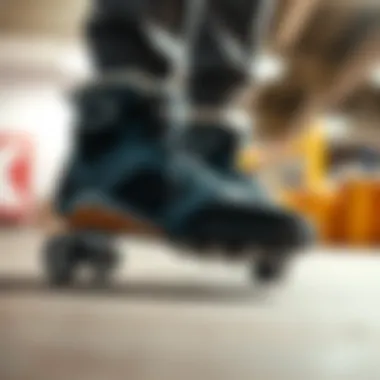
Skate walking emerged from the need for an alternative way to traverse short distances while maintaining the essence of skating. It infused traditional skateboarding techniques with a walking rhythm, enabling skaters to enjoy both the thrill of skateboarding and the ease of walking. Through skate walking, individuals not only enhance their overall experience but also build a unique style that distinguishes them within the skate culture.
This shift embodies a broader definition of skating. As more practitioners adopt varied styles, skateboarding becomes a more inclusive activity. It challenges the notion that skaters must always perform tricks or reach high speeds to belong; it instead celebrates the simple act of movement.
Influence of Urban Environments
The influence of urban environments on skate culture cannot be overlooked. Cities serve as both the backdrop and the catalyst for skating practices, shaping not just the skills and techniques skaters develop but also their communities and identities.
As towns evolve, so do their infrastructures. Skate walkers often find innovative uses for the public spaces around them, reshaping sidewalks and parks into venues for their sport. Unlike traditional skaters who thrived in parks or bowls, skate walkers utilize the urban landscape's nuances, exploring its nooks and crannies. This adaptability demonstrates a profound connection to one’s environment, showcasing not just skill but an appreciation for public spaces.
Moreover, urban settings foster a sense of community among skate walkers. They often encounter one another while melding skating and walking, transitioning from a solitary pursuit to a spontaneous social affair. This communal aspect strengthens the connection among skaters, as they exchange tips, techniques, and anecdotes, fostering a vibrant culture that thrives in adaptability.
"Skate walking isn't merely a way to get from A to B; it's about experiencing the journey and sharing it with others."
As skate culture evolves, the intersection of environment, technique, and community continues to shape the identity of skaters everywhere. At its core, the shift from street skating to skate walking encapsulates the essence of adaptation and innovation — hallmarks of skate culture that are likely to persist into the future.
Techniques and Styles in Skate Walking
The realm of skate walking is as much about style and creativity as it is about technique. Understanding these elements is pivotal for anyone eager to perfect their craft or simply enjoy the ride. Integrating walking techniques with skateboarding styles presents a unique blend that not only enhances one's skateboarding skills but also enriches the overall experience of skating. This section aims to unpack both basic techniques and advanced maneuvers within skate walking, showcasing their significance and benefits.
Basic Skate Walking Techniques
At the heart of skate walking lies a set of fundamental techniques that serve as the stepping stone for every skate walker. These basics are essential for maintaining balance and flow while moving on a skateboard.
- Balance: Keeping a low center of gravity is key. Bend your knees slightly and lean forward a bit. This stance lowers your odds of losing your balance, especially on uneven surfaces.
- Pushing Off: Begin with your dominant foot positioned on the board. Use your back foot to push off the ground. A smooth, consistent motion is what you want — think of it like gently nudging something forward rather than a hard shove.
- Walking Motion: While your front foot remains steady on the skateboard, use your back foot to step directly on the board. The motion should imitate a walking style but with a slight glide. This will help maintain momentum as you move. Try to keep your feet parallel while making this transition; this aids in your overall stability.
- Turning: Mastering the art of turning is crucial. To make a turn, shift your weight into the direction you want to go and gently lean your shoulders in. You might feel a little wobbly at first, but with practice, it becomes natural.
- Stopping: Knowing how to come to a stop safely should never be overlooked. Tilt your back foot slightly to drag on the surface, gradually applying pressure until you are at a complete standstill. Practice this until you feel confident; a sudden stop can lead to falls.
With these foundational techniques, a novice skater can transition into skate walking with relative ease. As one becomes more comfortable, it's time to branch out into more advanced maneuvers, adding flair to their skating prowess.
Advanced Maneuvers for Experienced Skate Walkers
Once the basics are down, a skate walker can explore a realm of creativity and showmanship through advanced maneuvers. These skills can elevate one's skate walking from mere transportation to an expressive art form.
- Carving: This is when a skate walker navigates turns with fluidity. Instead of making sharp turns, carve through them by shifting weight from heel to toe in rhythm with the curve of the turn. It's a dance but on wheels.
- Ollies: While traditionally a skateboarding trick, many skate walkers incorporate minor ollies into their repertoire. By snapping the tail of the board with your back foot while pushing down, you can create enough lift to get over small obstacles or transition into a slight jump.
- Drifting: A more advanced technique, drifting requires control and balance. Approach a turn by leaning in, then pivot your feet outwards, allowing the board to slide. It’s crucial to practice this on smoother surfaces to avoid sudden falls.
- Freestyle Maneuvers: These are various tricks that can be adapted from skateboarding to skate walking. Spinning, shuffling, and even simple tricks like the kickflip can be modified for the skate walking style. It adds an engaging aspect to your skating journey.
"Skate walking transcends simple movement; it's a flow that marries balance with artistry."
- Transitions: Engaging in ramps or inclines can open a new dimension of skate walking. Learn how to shift your body weight properly while maintaining your posture through ascents and descents.
Incorporating these advanced techniques not only amplifies the skating experience but also builds overall physical coordination and confidence. It’s a chance for skate walkers to express themselves uniquely while navigating urban spaces with style.
As you progress with both basic and advanced techniques, remember that practice is the name of the game. Each maneuver should feel increasingly familiar, allowing you to naturally adapt to different terrains and skate walking scenarios.
Benefits of Skate Walking
Skate walking is more than just a trendy twist on traditional skateboarding; it's a multifaceted approach that benefits physical health, coordination, and overall well-being. This section digs deep into the specific advantages of skate walking, shedding light on how it serves both novices and seasoned skaters alike.
Enhancing Balance and Coordination
One of the most notable benefits of skate walking is the significant improvement it offers in balance and coordination. When you’re gliding on a skateboard while actively engaging your core and adjusting your weight, you’re essentially training your body to become a finely tuned machine. Balance is key in skateboarding, and skate walking amplifies this necessity. It demands constant micro-adjustments, which in turn refines your body’s sense of equilibrium.
Consider practicing simple balance drills on your skateboard. For instance, try to ride in a straight line while lifting one foot slightly off the board. This exercise not only challenges your balance but also encourages muscle engagement, stimulating proprioception—your body’s ability to sense its position in space.
Embracing these types of techniques can yield lasting benefits in other activities, too. Whether you're playing basketball, dancing, or even engaging in daily tasks like walking on uneven sidewalks, improved balance gained from skate walking transcends the activity itself. Moreover, for those who might feel unsteady due to age or physical challenges, skate walking provides a low-impact way to enhance stability.
"Skate walking is not just about movement; it's about mastering your space and achieving an almost meditative balance."
Improving Overall Fitness
Beyond balance, skate walking is a fantastic workout for the entire body. It incorporates cardiovascular fitness, strength training, and flexibility. When you're skating, your heart rate elevates, promoting overall cardiovascular health. The continuous motion of pushing off the ground engages your leg muscles, toning the calves, thighs, and even glutes.
Incorporating skate walking into your routine can be effortless. A few laps around the park or cruising along the waterfront allows you to enjoy the outdoors while reaping the fitness benefits. Here’s a short breakdown of how skate walking improves different facets of fitness:
- Cardiovascular Health: The sustained effort of pushing off and gliding promotes heart health.
- Leg Strength: You're not just standing; you're using those leg muscles effectively with every push.
- Core Engagement: Your abs and back have to work to maintain stability when you're navigating turns or uneven surfaces.
- Flexibility: The dynamic movements involved in skate walking enhance flexibility as you shift your body weight continuously.
Incorporating skate walking into your fitness routine can lead to a fulfilling path toward overall health. The beauty is that it blends enjoyment with exercise, ensuring that you’re not just working out, but you’re also having a good time.
In summary, the benefits of skate walking are both pragmatic and far-reaching, from enhancing physical fitness to cultivating a sense of balance and control. With the right mindset and practice, these advantages can significantly enrich one’s lifestyle.
Gear Essentials for the Skate Walker
Having the right gear is crucial in skate walking, not just to enhance performance but also to ensure safety and comfort. Just like a master chef needs quality knives, a skate walker thrives on equipment tailored to their unique style and environment. Understanding gear essentials can make all the difference, providing not only functionality but also an expression of personal identity within skate culture.
Choosing the Right Skateboard
Selecting the right skateboard is the cornerstone of a successful skate walking experience. This decision primarily hinges on two factors: deck dimensions and wheel type.
- Deck Dimensions: A wider deck offers more stability, which is important when practicing balance techniques. For someone skimming through busy sidewalks or tight corners, a narrower deck can provide better maneuverability. A standard width of about 8 to 8.5 inches usually suits most skate walkers.
- Wheel Selection: Soft wheels, often made from urethane, provide better shock absorption and grip on various surfaces. If the roads are smooth, harder wheels may suffice; however, for uneven terrain, opting for soft wheels can help absorb those little bumps in the road, literally and figuratively.
In addition, consider the type of skateboard—whether it's a cruiser for easy boarding or a traditional street skateboard. The latter allows for tricks but might sacrifice comfort on lengthy walks.
Footwear Considerations
Footwear in skate walking transcends mere style; it's essential for health and performance. The right pair not only reflects the individuality of the skater but also plays a pivotal role in ensuring stability.
- Supportive Structure: Look for shoes with a strong cup sole or a padded collar to support the ankles. This is vitally important as skate walking often involves quick movements and turns.
- Grip and Cushioning: A rubber sole with good tread is essential—not just for grip on the skateboard, but also for secure footing when stepping off. Comfortable cushioning can prevent fatigue on those longer strolls in the skate park or urban landscape. Sneakers with ample padding around the heel and tongue reduce the risk of blisters and injuries.
- Flexibility: Lastly, choose shoes that allow for natural foot movement. Rigid footwear may hinder performance and can lead to strain or injuries over time.
Emphasizing gear essentials prepares skaters not only for better performance but also for enjoying skate walking as an art form. Without the right gear, the endeavor can quickly become fraught with discomfort or injury. For those looking to explore this vibrant culture further, recommended gear shops can be found on websites such as Reddit or Skate Warehouse.
"A well-equipped skate walker is not just prepared, they're ready to glide through life!"
Taking the time to select the appropriate skateboard and footwear can elevate the skate walking experience, allowing both novices and seasoned skaters to embrace each outing with confidence.
Safety in Skate Walking
When it comes to skate walking, the importance of safety cannot be overlooked. This hybrid activity couples the finesse of walking with the thrill of skateboarding, which can introduce unique challenges and risks. Ensuring a safe practice environment is critical not just for preventing injuries, but also for fostering a positive skate walking culture that encourages participation.
Protective Gear Recommendations
Protective gear is your best friend when engaging in skate walking. Just like a knight dons armor for battle, a skate walker should equip themselves with the right gear to minimize the risks associated with falls and accidents. Below are some recommendations that can keep you safe on your journey:
- Helmet: The most crucial piece of gear. It should be well-fitted to avoid shifting during rides. A good helmet absorbs shock and protects your head in case of an unexpected landing.
- Wrist Guards: The wrists are particularly vulnerable due to the tendency to reach out when falling. A sturdy pair of guards will provide essential support and protection, reducing strain and preventing fractures.
- Knee and Elbow Pads: These pads absorb impact and should be worn even during light practice sessions. It’s not just for the bravado of showing off tricks; these can significantly reduce road rash or worse injuries in case of a spill.
- Sturdy Footwear: Invest in shoes that provide good grip and comfort. Look for options specifically designed for skateboarding, as they ensure enhanced control and support.
By wearing these items, skate walkers can protect themselves and enjoy the ride.
Common Safety Concerns and How to Address Them
While engaging in skate walking, one must be conscious of several safety concerns. Addressing these proactively can help to ensure a smoother experience. Here are common issues and practical solutions:
- Potholes and Uneven Surfaces: Skating over a pothole can lead to loss of balance or even serious injury. Always be aware of your surroundings. Look ahead and choose paths with well-maintained surfaces.
- Traffic: Urban environments can be tricky. Stay vigilant. Opt for pedestrian-friendly routes and avoid busy streets whenever possible. Utilize bike lanes if available.
- Weather Condition: Rain-soaked surfaces can be slippery. Skating during inclement weather increases the chance of falls. It’s wise to check the forecast and plan skating during dry conditions. If the ground is wet, consider an alternative indoor space to practice.
- Group Dynamics: While it can be fun to skate with friends, collisions are common in groups. Maintain a reasonable distance and communicate clearly with one another about moves and changes in direction. Following basic rules helps keep everyone safe.
"Better be safe than sorry. With the right precautions, skate walking can be both thrilling and secure."
Important Resources
To delve further into skate safety and gear recommendations, check out resources at:
In sum, embracing safety measures while skate walking transforms a daunting activity into an enriching experience. The proper gear and attentiveness to common safety concerns will pave the way for enjoyable outings on your board.
Community and Skate Walking Culture
The essence of skate walking transcends mere technique; it burrows deep into the very fabric of community. When skaters take to the streets, they do more than chase adrenaline; they embrace a culture that thrives on connection, camaraderie, and shared passion. This section delves into the rich landscape of community and culture surrounding skate walking, highlighting how it fosters relationships, nurtures inclusivity, and roles that events play in binding this collective together.

Connecting with Other Skate Walkers
One might think skate walking is a solitary endeavor, but it’s far from it. In cities bustling with activity, where sidewalks hum with foot traffic and the rhythmic gliding of boards, skate walkers often find themselves part of a vibrant tribe. Connecting with fellow enthusiasts is crucial—these interactions not only enhance one’s skills but also build lasting friendships.
- Social Media Platforms: Websites like Reddit and Facebook have become virtual hangouts for skaters. Various groups and forums cater specifically to skate walkers, encouraging members to share tips, experiences, and inspiration.
- Local Meetups: Finding local skate walking groups can open doors to new friendships and support networks. Many cities have informal meetups where skaters come together to share their expertise and enjoy each other's company. This community engagement also promotes better safety practices, with experienced skaters often mentoring newcomers.
- Skill Exchanges: Engaging with others can spark the desire to learn different techniques. Whether it’s mastering a new trick or discovering how to navigate areas more effectively, your peers can offer fresh perspectives.
As the saying goes, ‘two heads are better than one,’ and when it comes to skate walking, that rings especially true.
Skate Walking Events and Gatherings
Events and gatherings serve as lynchpins for any community, and skate walking is no exception. They provide an avenue for participants to meet, share ideas, and celebrate shared passions. Whether big or small, these gatherings have a tremendous impact on the evolution of skate walking culture.
- Organized Competitions: Many cities host competitions specifically designed for skate walkers. These range from freestyle events to timed races, promoting skill development and motivating participants to push their limits. Competitors often encourage one another, fostering a spirit of sportsmanship and support.
- Festivals and Expos: Annual skate festivals often feature workshops, demonstrations, and showcases from prominent figures in skate walking culture. Events like the Skate Walking Expo not only attract seasoned skaters but also invite newcomers to dip their toes into the culture.
- Charity Events: A growing trend in the skate walking community involves organizing charity events, where skaters unite for a cause. Participation strengthens community bonds, instilling a sense of purpose beyond just the sport. The unification of skaters for charitable causes amplifies the message that skate walking culture goes hand-in-hand with social responsibility.
“In a world where everyone is connected digitally, community gatherings remind us of the beauty of real-life connections.”
The culture surrounding skate walking is as dynamic as the sport itself. From the casual conversations over newly learned techniques to massive events that echo with laughter and the sound of wheels on pavement, the community thrives on togetherness. As these gatherings continue to flourish, they contribute significantly to the identity and tradition of skate walking, ensuring its growth for generations to come.
Innovators of Skate Walking
The world of skate walking is vibrant, shaped by individuals who dare to think outside the box. These innovators are not only changing the game, but they are also redefining the culture that surrounds skateboarding. Understanding their contributions provides invaluable insight into the evolution of skate walking and encourages new enthusiasts to explore this unique fusion of movement.
Profiles of Notable Skate Walkers
Throughout the journey of skate walking, several prominent figures have stood out, each carving a niche that has influenced countless others. Some of the notable skate walkers include:
- Jia Chen: Famed for her graceful style, Jia combines traditional dance movements with skate walking techniques. She seamlessly integrates ballet moves while maintaining her balance on the board, captivating audiences across various platforms.
- Marcus Grant: Known for his street style, Marcus has introduced a raw, gritty element to skate walking. His workshops empower beginners with confidence and creativity, focusing on how the urban environment can enhance a skate walker’s experience.
- Lila Stone: A personal trainer by day and skate walker by night, Lila emphasizes the health benefits of this activity. She’s made it her mission to demonstrate how skate walking can improve physical fitness while fostering a sense of community among practitioners.
These skaters, among others, serve as mentors and role models, bridging the gap between experienced individuals and newcomers. Their unique styles inspire discussions that enrich the skate walking community.
The Legacy of Skate Walking in Modern Culture
The impact of these innovators extends beyond individual styles and techniques. They have collectively fostered a culture where skate walking is recognized as a legitimate form of expression. This cultural shift opens doors for more people to pick up a skateboard not just for fun but as a serious hobby or sport.
- Workshops and Classes: Many skate parks are now offering classes inspired by the techniques of prominent skate walkers. This has not only increased participation but also built a community where sharing knowledge is prevalent.
- Social Media Influencers: Platforms like Instagram and TikTok are full of skate walkers documenting their journeys. This visibility is vital in attracting new participants and giving them a space to showcase their skills.
"The act of skate walking transcends mere recreation; it's a lifestyle, an ethos that champions the notion of free movement and creativity in everyday life."
- Community Engagement: Events such as skate festivals now frequently include skate walking competitions, showcasing not just athletic prowess, but creativity in navigation and control alongside traditional skating skills.
The legacy that these innovators have built prompts others to challenge norms, experiment with styles, and connect in ways previously unseen. As skate walking gains traction, it solidifies its position within broader skate culture. Its future looks bright, suggesting that the fusion of walking and skating will inspire more inventive movements to come.
Future Trends in Skate Walking
The landscape of skate walking is set to shift in significant ways, merging evolving techniques, technology, and community dynamics. These developments not only enhance the experience for practitioners but also broaden the appeal of skate walking to new enthusiasts. As we look at future trends in skate walking, understanding these elements is crucial for those invested in this unique athletic expression.
Innovations in Skateboarding Technology
Skateboarding technology is changing faster than a skater can do a kickflip. The advent of lightweight materials, advanced engineering, and even digital integration is ushering in a new era for skate walkers. For instance, boards made from carbon fiber are not only lighter but also more resilient, allowing for versatility that supports more varied maneuvers.
Smart technology is also making its mark in skateboarding gear. Think about skateboards equipped with sensors that track performance metrics. This could lead to personalized coaching solutions via apps where skaters monitor their technique and make real-time adjustments. Such innovations mean that beginners can jump on board confidently, while advanced skaters can refine their skills well beyond basic maneuvers.
Additionally, eco-conscious materials are becoming more popular, reflecting a cultural shift towards sustainability. Biodegradable components and sustainably sourced wood could soon dominate the market. This change has ramifications beyond personal practice, directly impacting environmental movements within skate culture itself.
"In the future, skating won't just be a sport; it becomes a blend of art and technology that could resonate globally as urban mobility evolves."
Evolving Skate Walking Techniques
The techniques within skate walking are in a state of continuous evolution. Much like the way skateboarding transformed from basic transportation to an art form, skate walking is developing its own unique identity. New styles are emerging, influenced by cross-disciplinary practices, such as dance and parkour, which integrate fluid movements and athleticism.
For the uninitiated, basic techniques still reign supreme, but with a twist. As innovations and trends come into play, skaters are rapidly adopting more complex forms of movement. Techniques like the 'step-slide' and 'roll-and-pivot' are gaining traction, chasing a smoother flow that elevates street style.
A notable trend is the fusion of skate walking with mindfulness practices. Some skaters are incorporating yoga-like elements into their practice, focusing on balance and breathing as they navigate through urban landscapes. This method not only boosts performance but also enhances the mental aspect of skating.
As skate walking techniques evolve, skaters are embracing an experimental mindset. Rethinking traditional styles and combining them with new techniques will push the envelop of what is physically possible on a skateboard. It is imperative for enthusiasts and aspiring skate walkers to stay engaged in these discussions, whether through online forums or local meet-ups.
By embracing these trends and innovations, the future of skate walking appears vibrant and full of potential, reflecting a distinct blend of athleticism, community, and creativity.